
Taxidermied animals for sale can be sourced legally by targeting licensed dealers, certified wildlife auctions, and accredited museums that specialize in museum-quality mounts. Compliance with federal and state regulations, proper CITES documentation, and verified provenance ensure each piece meets both legal standards and collector expectations.
Key takeaways
- Partner with CITES‑registered suppliers and federally licensed wildlife dealers.
- Demand provenance papers, CITES permits, and a detailed condition report for every mount.
- Understand price drivers: species rarity, mount type (shoulder, pedestal, rug), and craftsmanship level.
- Utilize specialized freight services that follow USDA and DOT shipping regulations.
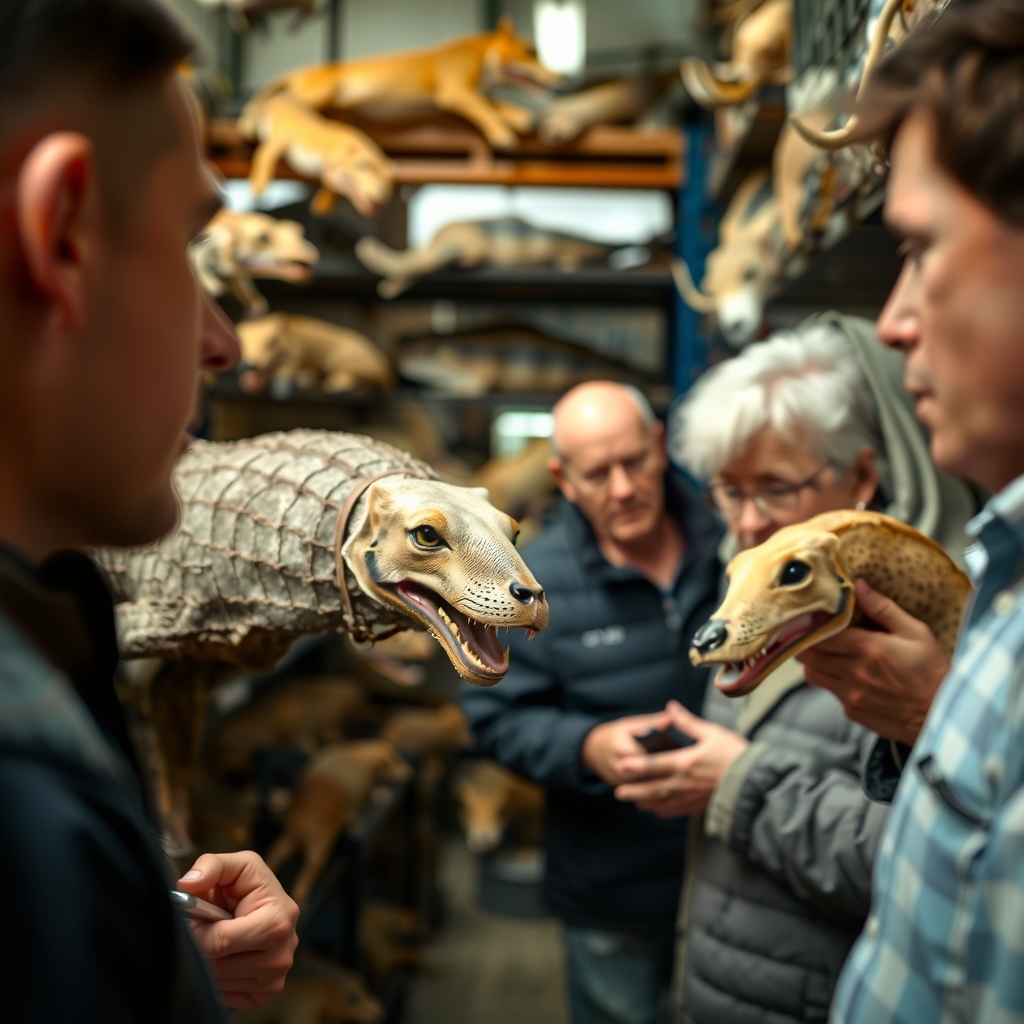
What defines a legal taxidermied animal for sale?
A legal taxidermied animal for sale is one that fully complies with federal, state, and permit requirements governing acquisition, transport, and commercial distribution of wildlife specimens.
CITES compliance
The Convention on International Trade in Endangered Species of Wild Fauna and Flora (CITES) classifies species into Appendices I‑III. In 2026, any taxidermied animal listed on Appendix II—such as African lion, tiger, or certain exotic birds—requires an export permit from the country of origin and an import permit from the United States. Appendix I species (e.g., snow leopard) are prohibited for commercial sale unless a special “non‑commercial” exemption is granted. Buyers should request the CITES permit number and verify it against the official CITES database before completing a purchase.
State wildlife statutes
Each state enforces its own wildlife code. For example, California Fish and Game Code § 5580 mandates registration of all native wildlife mounts, while Texas Parks and Wildlife Department requires a “Wildlife Specimen” permit for any North American game mount sold across state lines. In 2026, 32 states have explicit statutes governing the sale of taxidermy, often imposing additional restrictions on protected species such as the Florida panther or California condor.
Permits and documentation
Legal sales must be accompanied by a complete documentation package:
- Valid CITES permit (if applicable).
- State-issued wildlife or game permit confirming lawful harvest or acquisition.
- USDA APHIS declaration for interstate transport of animal products.
- Proof of origin, such as a hunter’s tag, dealer invoice, or estate transfer record.
Failure to produce any of these documents can result in seizure, fines, or criminal charges. The U.S. Fish and Wildlife Service provides detailed guidance on permissible transactions at https://www.fws.gov.
Where can collectors find reputable sources of taxidermied animals?
Collectors can locate reputable sources of taxidermied animals through vetted online platforms, established auction houses, and specialty dealers that adhere to industry‑standard verification processes.
Verified online platforms
In 2026, three online marketplaces consistently meet compliance checks: Taxidermy Warehouse, eBay’s Verified Seller program, and the dedicated Taxidermy Marketplace. These sites require sellers to upload CITES permit scans, state‑level documentation, and high‑resolution photos of each mount. Buyers should filter results by “museum‑quality” and confirm that the seller’s rating exceeds 4.5 stars out of 5. For a step‑by‑step guide, see How to Find Authentic Premium Taxidermy for Sale in 2026.
Trusted auction houses
Major auction houses such as Heritage Auctions, Sotheby’s, and regional wildlife auctions (e.g., Midwest Wildlife Auction) provide provenance records for every lot. Prior to bidding, collectors should request the auction house’s compliance certificate, which lists the species, CITES status, and any required state permits. Successful bids often include a post‑sale inspection by an independent taxidermy appraiser to verify lifelike posture and structural integrity.
Specialty taxidermy dealers
Specialty dealers focus on museum‑grade pieces, life‑sized mounts, and exotic species. They typically offer full‑service solutions—including custom shoulder mounts, taxidermy rugs, and pedestal displays—while handling all legal paperwork. Taxidermy Warehouse operates as a full‑service marketplace, connecting buyers with vetted artisans who supply North American game mounts, African exotic species, and oddities. For design‑focused collectors, the comparative guide Black Bear Shoulder Mounts vs Full Body Displays: Buyer Guide outlines aesthetic and functional considerations.
How to verify authenticity and quality of museum‑grade mounts?
Authenticity and museum‑grade quality are confirmed through documented provenance, material analysis, and rigorous craftsmanship standards.
Provenance documentation
Buyers should request a provenance chain that includes at least three verifiable records: the original taxidermist’s invoice, a licensed dealer receipt, and a recent appraisal. Reputable sources often provide a digital certificate linking the mount to a known collection, such as a university or historic museum. The Buying Museum-Grade Taxidermy Mounts: 2026 Guide recommends confirming that the documentation matches the species, age, and geographic origin claimed.
Material analysis
High‑quality mounts use durable substrates: 1‑inch thick polyurethane foam for structural support, and ethically sourced taxidermied skins treated with a UV‑resistant sealant that passes a 10,000‑cycle abrasion test. Metal armatures should be stainless steel or brass to prevent corrosion. Conduct a simple moisture test—press a hidden area; a genuine museum piece will show no moisture after 24 hours. For added certainty, engage a third‑party laboratory to perform spectroscopy, which can differentiate genuine animal hair from synthetic fibers.
Craftsmanship standards
Professional taxidermists adhere to the American Association of Taxidermists’ (AAT) standards, which require lifelike posture, accurate anatomical alignment, and seamless skin stitching. Look for hand‑stitched seams that are invisible to the naked eye and a natural eye placement within 2 mm of the original orbit. Certification from an accredited appraiser, such as a Certified Taxidermy Specialist, adds a layer of trust. The US Fish and Wildlife Service also provides guidelines for legal acquisition, reinforcing the mount’s compliance with federal regulations.
What are the price factors for taxidermied animals for sale?
Price is driven primarily by species rarity, size, mounting technique, and condition of the piece.
Species rarity
Exotic species command premium rates. An African lion shoulder mount can range from $10,000 to $15,000, while a North American elk may sit between $3,500 and $5,000. Limited‑edition species, such as a snow leopard or jaguar, often exceed $20,000 due to CITES‑regulated sourcing and limited supply.
Mount size and pose
Larger mounts with dynamic poses—e.g., a rearing bison or a mid‑leap pronghorn—require additional sculpting time and more material, adding 20‑35 % to the base price. A life‑sized tiger rug with a natural stride can cost $8,000, whereas a modest 24‑inch tabletop piece may be under $1,200.
Mounting techniques
Premium finishes such as hand‑painted antlers, custom pedestal bases, or integrated lighting increase value. Pedestal mounts with marble bases add $1,500–$2,500, while a simple wooden base may add only $300. Taxidermy rentals for events are priced per day, typically $200–$400, reflecting the temporary nature of the service.
Condition and restoration
Mint‑condition mounts fetch the highest prices. Any restoration—skin repair, re‑toning, or armature reinforcement—adds $500–$2,000 depending on scope. Collectors should request a condition report; a mount needing extensive work can lose up to 40 % of its market value. Accurate assessment of these factors ensures that buyers of taxidermied animals for sale make informed, financially sound decisions.
How to ensure safe and legal shipping of taxidermied animals?
Ensuring the safe and legal transit of legal taxidermied animals for sale requires strict compliance with federal wildlife transportation laws alongside specialized protective packaging techniques. Buyers and sellers must pair regulatory paperwork with heavy-duty crating to prevent structural damage and avoid border confiscations.
Protective Packaging
Shipping life-sized pieces, pedestal mounts, and delicate specimens demands rigid, custom-built wooden crates rather than standard cardboard boxes. The mount must be securely bolted to the internal frame of the crate at the mounting point, ensuring the fur, feathers, and ears do not make contact with any outer walls. High-density foam inserts and vacuum-sealed poly-sheeting protect against moisture, pest infestation, and vibration during transport.
Carrier Compliance
Commercial carriers maintain specific restrictions regarding processed animal parts. Shippers must declare all wildlife contents on the outer bill of lading. Transporting species regulated under the Migratory Bird Treaty Act or the Endangered Species Act requires explicit permits, such as CITES documentation for international transit or state-level transport tags for interstate commerce. Reviewing Top Exotic and Native Taxidermy to Buy in 2026 provides further clarity on species-specific compliance guidelines.
Insurance and Tracking
Given the irreplaceable nature of vintage and museum-quality mounts, high-value transit coverage is mandatory. Standard freight liability rarely covers full appraised value, necessitating specialized third-party parcel or cargo insurance. Always mandate signature-required, real-time GPS tracking to monitor climate changes and chain of custody throughout the delivery process.
What are the best practices for buying taxidermied animals as a hunter or interior designer?
Acquiring taxidermied animals for sale for luxury interiors or private trophy rooms requires balancing spatial dimensions, aesthetic alignment, and verified provenance. By adhering to precise structural, financial, and ethical standards, buyers can select high-grade specimens that maintain their value and visual appeal over time.
Design Integration
Interior designers must calculate proportional scale when placing shoulder mounts, taxidermy rugs, or full-figure mounts. A massive North American moose or bison requires a vaulting ceiling height of at least 10 to 12 feet, whereas smaller tabletop pieces and oddities accent bookshelves or executive desks perfectly. Ensure ambient lighting uses UV-filtered LED bulbs to prevent fur bleaching and skin shrinkage over time.
Ethical Sourcing Checklist
Always verify the legally harvestable status or estate chain of custody before finalizing a purchase. The direct checklist includes:
- Requesting original tag numbers, harvest permits, or CITES permit copies for African and exotic species.
- Inspecting the hide for signs of slip, insect damage, or improperly tanned leather.
- Confirming that native North American game mounts comply with specific state commercial sale regulations.
Budget Planning
Commercial market values fluctuate based on species rarity, pose complexity, and overall preservation quality. The table below outlines standard market expectations when purchasing professionally preserved specimens:
| Mount Type | Average Commercial Value Range | Key Valuation Factors |
|---|---|---|
| Standard Shoulder Mounts | $600 – $2,500 | Symmetry, eye detail, horn/antler score |
| Taxidermy Rugs | $1,200 – $4,500 | Double-felt backing, intact claws, hide size |
| Full-Sized Pedestal Mounts | $3,500 – $15,000+ | Custom habitat base, 360-degree finishing, species rarity |
Mount Installation Tips
Heavy game mounts must never be anchored into simple drywall or plaster. Wall-hung shoulder mounts require heavy-duty lag bolts secured directly into centered 2×4 or 2×6 wall studs, capable of supporting static loads exceeding 100 pounds. Pedestal pieces must sit on level, reinforced flooring away from direct heat registers, radiators, or high-humidity zones.
How can sellers quickly and securely sell their existing taxidermy collections?
By leveraging professional valuation, secure listing platforms, escrow payment protection, and proper tax documentation, sellers can convert their taxidermied animals for sale into cash with minimal risk and maximum speed.
Professional valuation
A certified taxidermy appraiser provides an objective market value within 48 hours. Typical fees range from $150 for a single shoulder mount to $500 for a full life‑sized African specimen. The appraisal includes:
- Condition assessment (lifelike posture, preservation of skin, hardware integrity).
- Species rarity and provenance verification.
- Current market trends for museum‑grade mounts.
Having a documented valuation accelerates buyer confidence and simplifies insurance coverage.
Secure listing platforms
Specialized marketplaces for taxidermied animals for sale, such as the Taxidermy Warehouse portal, enforce verified seller accounts and high‑resolution photo standards. Sellers should:
- Create a detailed listing with dimensions, species, and any provenance notes.
- Upload at least three close‑up images, including a full‑body view and any tags.
- Reference relevant guides, for example Selecting the Best Bear Shoulder Mount for Your Home, to demonstrate expertise.
These platforms typically charge a 5 % commission, which is recouped by the higher buyer trust and faster transaction times.
Escrow services
Using an escrow provider guarantees that funds are released only after the buyer confirms receipt and condition. Recommended steps:
- Agree on a neutral escrow service that holds the purchase price.
- Ship the item with insured, trackable freight; retain the tracking number.
- Notify the escrow agent once delivery is confirmed; the buyer then releases payment.
Escrow fees average 2‑3 % of the sale price, but they eliminate disputes and protect both parties.
Tax implications
All proceeds from the sale of taxidermied animals are taxable as ordinary income. Sellers should:
- Maintain the professional valuation report as a cost basis document.
- Report the net gain on Schedule C (or Schedule D if classified as a capital asset).
- Consult a CPA familiar with collectibles to explore potential Section 1231 deductions for business‑related inventory.
Accurate documentation ensures compliance with IRS regulations and prevents future audits.
Frequently Asked Questions
Is it legal to buy taxidermied animals online in the United States?
Yes, purchasing taxidermied animals online is lawful provided the specimens comply with federal and state wildlife regulations. All mounts must be sourced from legally harvested animals, and sellers are required to retain proper documentation such as CITES certificates and state wildlife agency permits. Buyers should verify that the vendor supplies these records upon request.
What permits are required for owning a taxidermied exotic species?
Ownership of exotic taxidermied specimens typically requires a CITES (Convention on International Trade in Endangered Species) permit and, in many states, an additional wildlife or exotic animal registration. The specific permit depends on the species’ conservation status and the state of residence. Collectors should consult both federal guidelines and local wildlife agencies before acquisition.
How can I tell if a taxidermied mount is museum‑grade quality?
Museum‑grade mounts exhibit lifelike posture, flawless skin preservation, and expertly sculpted anatomical features. Look for seamless seams, natural coloration, and a sturdy, concealed armature that supports the piece without visible hardware. Reputable providers will also supply a certificate of authenticity and detailed provenance.
What are the average price ranges for common North American species?
For North American game mounts, price ranges in 2026 typically span from $350 for a standard deer shoulder mount to $1,200 for a full‑size elk or moose pedestal piece. Premium options such as hand‑tanned hides or custom lighting can add $200‑$500 to the base cost. Prices reflect species size, mount type, and level of finish.
Can taxidermied animals be shipped across state lines without additional paperwork?
Domestic shipment of legally sourced taxidermied animals generally does not require extra paperwork beyond standard carrier documentation, provided the items are accompanied by the original harvest and CITES permits. However, certain states impose additional restrictions on specific species, so carriers may request proof of compliance during transit. It is advisable to confirm state‑specific regulations before dispatch.
How does Taxidermy Warehouse ensure the legality of its inventory?
Taxidermy Warehouse maintains a comprehensive compliance program that includes verification of harvest records, CITES certification, and state wildlife permits for every mount. Each item undergoes a multi‑step audit by certified wildlife specialists before being listed for sale. Documentation is stored digitally and made available to buyers upon request, guaranteeing full traceability.
Conclusion
Navigating the market for taxidermied animals for sale demands rigorous attention to legality, authenticity, and quality. By partnering with a trusted source such as Taxidermy Warehouse, collectors and designers can secure museum‑grade pieces with confidence and efficiency. Explore the curated selection today and experience the expertise of a nationwide leader in professional taxidermy solutions.