
Finding authentic, museum-quality taxidermy for sale in 2026 requires verifying legal documentation, assessing anatomical accuracy, and sourcing from trusted commercial suppliers. Whether you are acquiring North American game or exotic species, high-grade mounts feature lifelike postures, seamless tanning, and fully intact hair or plumage to ensure lasting value and aesthetic appeal.
Key takeaways
- Verify Legalities First: Always confirm state, federal, and CITES compliance documentation prior to completing any transaction.
- Assess Anatomical Quality: Look for museum-grade craftsmanship, focusing on realistic eye placement, crisp ear detail, and seamless stitching.
- Insist on Secure Transit: Ensure your supplier uses specialized freight and crating designed to protect delicate mounts during shipping.
- Prioritize Proper Care: Display specimens in climate-controlled environments away from direct sunlight to preserve their condition long-term.
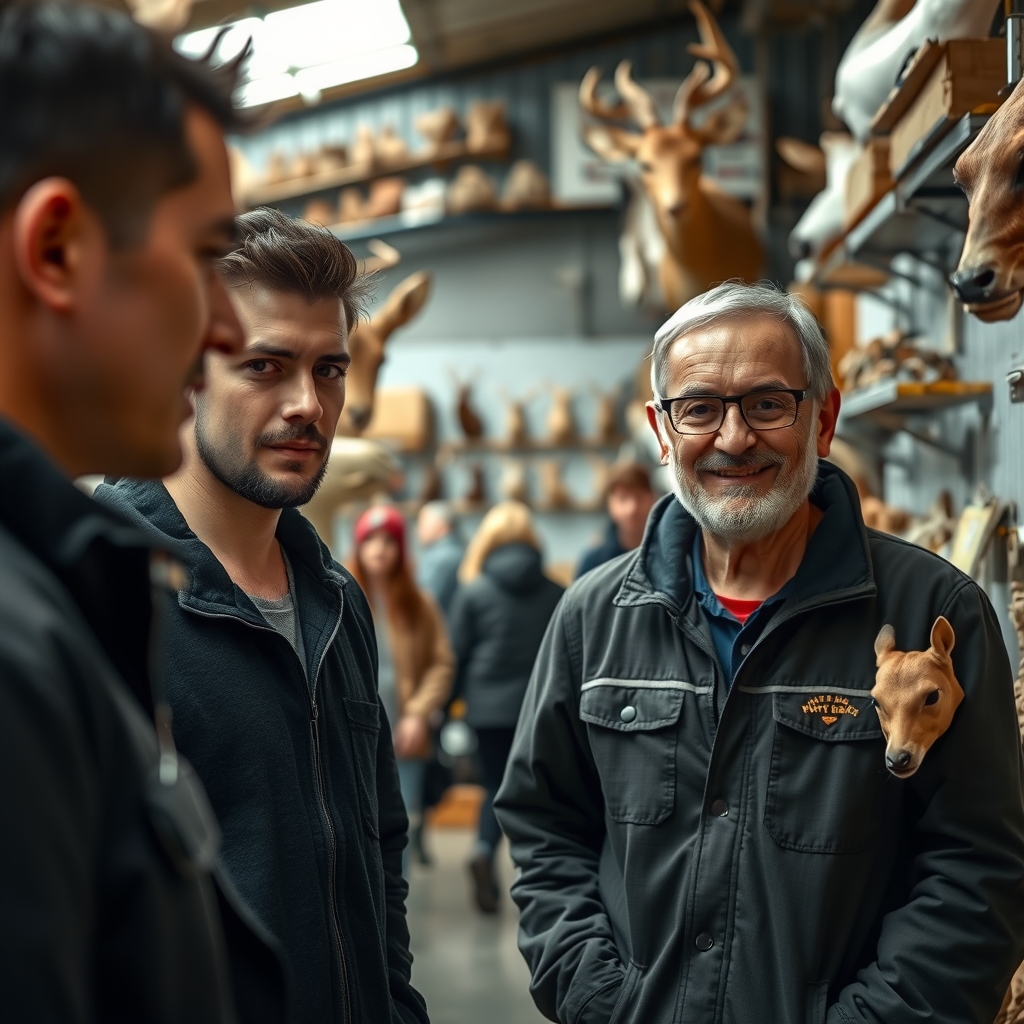
What defines museum-grade taxidermy for sale?
Museum-grade taxidermy for sale is distinguished by rigorous anatomical precision, advanced preservation chemistry, and an artistic lifelike posture that surpasses standard commercial mounts. While commercial grade is suitable for casual display, museum-quality pieces are engineered to last generations through superior tanning processes and high-density internal forms.
- Anatomical Accuracy: Professionals utilize pre-sculpted mannikins that reflect the specific musculature and vascular details of the animal. This includes the correct positioning of the nictitating membranes in the eyes and realistic “wet” looks for the nose and mouth.
- Artistic Expression: Beyond a static pose, premium mounts capture a moment in time, such as a shoulder mount with a subtle ear twitch or a life-sized piece in a mid-stride predatory crouch.
- Longevity and Preservation: Modern 2026 standards require pH-neutral tanning agents and non-toxic pest deterrents. According to the National Taxidermists Association, the use of high-quality epoxies and UV-resistant paints ensures that colors do not fade and skin does not shrink over decades.
- Material Quality: Premium mounts utilize glass eyes with depth-correct pupils and high-grade driftwood or custom-cast rock bases for pedestal mounts.
When Buying Museum-Grade Taxidermy Mounts: 2026 Guide, collectors should look for seamless stitching and the absence of “drumming,” where the skin pulls away from the form in concave areas.
Prerequisites for starting your taxidermy collection
Before acquiring professional taxidermy for sale, a collector must establish a controlled environment and a clear taxonomic focus to ensure the longevity and value of the investment. Success in high-end collecting depends on balancing architectural constraints with the specific preservation needs of organic specimens.
- Climate and Space Assessment: High-end mounts require a stable environment with 40-50% humidity and temperatures between 60-70°F. Avoid placing North American Game Mounts or African and Exotic Species in direct sunlight or near HVAC vents, as rapid temperature fluctuations cause skin cracking.
- Define Your Aesthetic Direction: Determine if your space suits the rugged textures of a Taxidermy Rug, the vertical elegance of pedestal mounts, or the curiosity-driven appeal of oddities and tabletop pieces. A cohesive collection often focuses on a specific geographical region or biological family.
- Budgetary Realism: In 2026, premium shoulder mounts for common species like Whitetail Deer start around $800, while rare African and Exotic Species or full-body life-sized pieces can exceed $15,000 depending on the artist’s reputation and the specimen’s rarity.
- Legal Literacy: Ensure you have the physical space for the “drop” of a mount—large elk or moose mounts may require reinforced wall studs and at least 4 feet of clearance from the ceiling.
Step 1: Researching reputable taxidermy marketplaces
Identifying a reliable source for taxidermy for sale requires prioritizing high-volume warehouses that maintain physical inventory over digital-only brokers who never handle the specimens. In 2026, the distinction between a middleman and a direct supplier is the primary factor in securing both museum-quality artistry and logistical reliability.
When evaluating a marketplace, look for a proven track record of handling high-value assets like African and Exotic Species or complex Life-Sized Pieces. A reputable dealer should offer transparent access to their physical showrooms, allowing for virtual or in-person inspections of a mount’s lifelike posture and hide integrity. Online-only brokers often lack the specialized climate-controlled facilities necessary to preserve specimens, leading to degradation before the item even reaches your door. Reviewing verified testimonials from 2026 interior design firms and private collectors provides a benchmark for the seller’s ability to manage nationwide shipping without compromising the delicate structures of Shoulder Mounts or Pedestal Mounts.
Vegas-based expertise
The concentration of world-class taxidermy talent in the Las Vegas hub has established it as the premier destination for sourcing elite wildlife art. Choosing a supplier with deep roots in this region ensures access to artisans who specialize in the meticulous restoration and appraisal of inherited collections. This localized expertise guarantees that every piece, from North American Game Mounts to Taxidermy Rugs, meets rigorous professional standards before being listed for acquisition.
Wholesale vs. Retail pricing
Navigating the 2026 market reveals a significant price gap between boutique retail galleries and high-volume warehouses. Wholesale marketplaces provide superior value by moving large quantities of inventory, often sourced from estate liquidations or professional deaccessioning. This model allows collectors to acquire premium taxidermy for sale at price points significantly lower than traditional retail, without sacrificing the anatomical accuracy or “museum-grade” finish expected by serious enthusiasts.
Step 2: Verifying authenticity and legal compliance
Ensuring that your acquisition is legally sourced and biologically authentic involves a rigorous audit of federal permits and a physical inspection of the mount’s construction. In 2026, the legal landscape for wildlife trade is more stringent than ever, making documentation the most critical component of any high-end purchase.
The cornerstone of legal taxidermy acquisition is compliance with the Convention on International Trade in Endangered Species of Wild Fauna and Flora (CITES). When purchasing African and Exotic Species, you must verify that the specimen is accompanied by valid CITES permits or “Pre-Convention” certificates if the animal was harvested before specific protections were enacted. For North American Game Mounts, ensure the seller provides transfer of ownership papers that comply with state-specific wildlife laws. Failure to secure this paperwork can lead to the seizure of the asset by federal authorities and significant legal liabilities for the buyer.
Beyond legalities, you must guard against “Frankenstein” mounts—pieces assembled from mismatched hides or synthetic components to mimic rarer species. Inspect the skin-to-form adhesion around the eyes, nose, and mouth; authentic museum-quality work will show seamless transitions and realistic tear ducts. Synthetic replicas or heavily altered Oddities and Tabletop Pieces should always be disclosed as such. If a seller cannot provide a clear provenance or detailed photos of the stitching and anatomy, the authenticity of the taxidermy for sale is likely compromised.
Step 3: Inspecting the mount for quality and condition
Evaluating the physical integrity of a specimen requires a close examination of the facial features, hide suppleness, and structural symmetry. When browsing authentic taxidermy for sale, professional collectors immediately assess these anatomical benchmarks to distinguish commercial work from museum-quality artistry.
Begin your evaluation by analyzing the critical areas that reveal craftsmanship and preservation standards:
- The Facial “T-Zone”: Examine the eyes, nose, and mouth. Premium mounts utilize competition-grade glass eyes set with proper anatomical rotation, accurate canthus alignment, and hand-tooled eyelids. The septa and nostrils should display natural depth and moisture without excessive, glossy epoxy pooling. Lips must be cleanly tucked into the jawline without visible pins or shrinkage.
- Hide and Feather Integrity: Run clean, dry hands along the hair patterns. Quality tanning leaves the leather flexible rather than drum-tight or brittle. Feathered game should display smooth, unbroken feather tracts with zero quill breakage.
- Pest Infestation and Chemical Tanning: Look for fine, powdery frass or missing hair patches near the ears and base of the skull, which indicate dermestid beetle or clothes moth activity. A sour, oily odor suggests incomplete tanning, which eventually causes grease burn and permanent hair slippage.
| Inspection Point | Commercial Standard | Museum-Quality Benchmark |
|---|---|---|
| Eye Setting | Standard symmetrical glass; flat paint | Species-specific optics; accurate pupillary axis |
| Hide Condition | Stiff leather; minor seam cracking | Supple hide; fully invisible, inverted stitching |
| Ear Cartilage | Thick, rigid liners; curled edges | Thin, anatomical ear liners; sharp edges |
Step 4: Navigating the purchase and secure shipping
Securing high-value mounts requires specialized freight coordination, declared-value transit insurance, and tamper-resistant transaction protocols. Standard parcel carriers cannot accommodate large game specimens, making dedicated logistics essential when acquiring high-end taxidermy for sale.
To safely manage the purchase and transport of delicate trophies, execute the following procurement steps:
- Arrange Custom Crated Freight: Large-scale displays—such as full-size predators or massive antlered shoulder mounts—require custom-built plywood crating. Mounts must be anchored directly to internal frame studs via the mounting plate, suspending the specimen to prevent antler contact, fur abrasion, or ear compression during transit. For multi-piece private estate acquisitions, utilize dedicated white-glove art couriers rather than consolidated freight hubs.
- Establish True Declared-Value Transit Insurance: Standard freight liability covers pennies on the pound, leaving you vulnerable to total loss. Secure third-party inland marine transit insurance covering the full replacement value or appraised value of the piece. Ensure the policy explicitly covers accidental transit shock, breakage, and humidity shifts.
- Utilize Secure Escrow Payment Channels: When purchasing through private liquidations or remote estate sales, avoid wire transfers or peer-to-peer mobile apps that lack buyer recourse. Use an attorney-backed escrow service or verified merchant processing with documented provenance clauses. Funds should release only after a thorough uncrating inspection confirms the mount arrived without transit-induced trauma.

Step 5: Proper placement and maintenance of your trophies
Maintaining the integrity of premium taxidermy for sale requires a controlled environment that mimics museum standards to prevent structural degradation. Once you have acquired a high-quality piece, the primary objective is to shield organic materials from environmental stressors like ultraviolet light and moisture.
- Mitigate UV Exposure: Position your shoulder mounts and life-sized pieces away from direct sunlight. Even in 2026, with advanced window coatings, prolonged UV exposure will bleach pigments in fur and feathers, leading to irreversible fading.
- Regulate Humidity and Temperature: Maintain a consistent humidity level between 40% and 50%. Fluctuations cause the hide to expand and contract, which eventually leads to cracking around the eyes and nose. Avoid placing trophies near HVAC vents or fireplaces.
- Implement Cleaning Protocols: Use a soft-bristled brush or a low-suction vacuum with a micro-attachment to remove dust monthly. For North American game mounts, wiping the hair in the direction of growth with a damp (not wet) microfiber cloth keeps the coat lustrous.
- Strategic Rotation: Periodically rotate your pedestal mounts and tabletop pieces within your space. This not only refreshes your interior design but also ensures that one side of the mount isn’t disproportionately affected by ambient light or airflow patterns.
Common mistakes to avoid when buying taxidermy
The most frequent errors when sourcing taxidermy for sale involve a lack of due diligence regarding physical condition and the complex legal landscape of wildlife commerce. Avoiding these pitfalls ensures your investment retains its value and remains a compliant addition to your collection.
- Purchasing Without High-Resolution Documentation: Never finalize a transaction based on a single, low-quality image. Demand 360-degree high-definition photos and video close-ups of “critical zones” such as the tear ducts, inner ears, and mouth lines. This reveals if the mount is truly museum-quality or if it suffers from “drumming”—where the hide pulls away from the manikin.
- Ignoring State-Specific Wildlife Transport Laws: Legislation regarding the sale of certain species, particularly African and exotic species, varies significantly by jurisdiction. In 2026, several states have implemented stricter “transit-only” permits for protected fauna. Failing to verify these can lead to the seizure of your trophy by wildlife officials during transport.
- Underestimating Professional Shipping Costs: Museum-grade taxidermy is fragile and often requires custom-built wooden crates. Budgeting only for standard freight is a mistake; specialized white-glove shipping is necessary to ensure that delicate antlers, horns, or life-sized poses arrive without structural fractures or “shaking” damage during transit.
How to sell your collection quickly in 2026?
Selling your collection quickly in 2026 requires partnering with an established high-volume buyer rather than relying on slow, unpredictable traditional consignment options. By working with a professional taxidermy for sale platform, estate executors and private collectors can liquidate entire inventories in as little as 48 to 72 hours while securing fair market valuation.
To maximize your return and expedite the buyout process, take these specific steps to prepare your mounts for valuation:
- Document the Inventory: Take high-resolution photos of each piece from multiple angles, focusing on high-wear areas like the inner ears, nose pad, and stitching along the hide.
- Locate Legal Documentation: Gather all supporting paperwork, including CITES permits, state-issued harvest tags, or federal transfer documents, which are essential for legal compliance when offering vintage taxidermy for sale.
- Perform Light Dusting: Gently clean the fur or feathers using a dry microfiber cloth or soft-bristle brush. Avoid chemical cleaners, water, or oil-based solutions that can degrade the hide.
Choosing direct-purchase buyers over long-term consignments eliminates months of holding fees, display risks, and buyer default uncertainties. Direct buyers offer immediate capital, handle specialized freight logistics, and purchase diverse inventories—ranging from North American Game Mounts to African and Exotic Species—in a single transaction.
Frequently Asked Questions
Is it legal to buy taxidermy online in 2026?
Yes, purchasing taxidermy for sale online is legal provided the transaction complies with both federal and state regulations, such as the Migratory Bird Treaty Act and CITES protocols. Reputable warehouses now utilize digital blockchain certification to track the legal provenance of a mount, ensuring that your acquisition meets all current 2026 conservation standards. Always verify that the seller provides a physical or digital permit for protected species before finalizing a purchase.
How much does a full-size African lion mount cost?
In 2026, a museum-quality, life-sized African lion mount typically ranges from $15,000 to $28,000 depending on the complexity of the base and the lifelike posture of the animal. Prices have stabilized due to stricter import quotas, making existing high-quality specimens in domestic inventory highly valuable. Factors such as the condition of the mane and the inclusion of a custom habitat base will significantly influence the final market price.
What is the best way to clean a taxidermy mount without damaging it?
The safest method involves using a soft, dry microfiber cloth or a feather duster to gently remove surface dust in the direction of hair or feather growth. For deeper cleaning of shoulder mounts or life-sized pieces, a slightly damp cloth with a specialized taxidermy cleaning solution can be used, but you must avoid saturating the hide. For the eyes, a cotton swab dipped in a small amount of glass cleaner will restore the natural, lifelike glisten without affecting the surrounding mount.
How do I know if a taxidermy piece is museum-grade?
Museum-grade taxidermy is defined by anatomical accuracy, invisible seams, and high-quality tanning that prevents cracking or shrinkage over time. Look for subtle details such as realistic inner ear anatomy, wet-look noses, and expertly set eyes that create a “follow-me” gaze. At Taxidermy Warehouse, we categorize pieces as museum-grade only when they exhibit the superior artistry required for educational or high-end luxury displays.
Can I sell an inherited taxidermy collection legally?
Selling an inherited collection is legal in most jurisdictions, but certain species—particularly those on the endangered list—require specific transfer permits or proof of age (pre-Act status). It is essential to conduct a professional inventory to identify any restricted North American or African species before listing them for sale. Professional buyers can often assist with the valuation and legal paperwork required to liquidate an estate collection quickly and ethically.
What documents do I need for exotic taxidermy for sale?
When acquiring exotic species, you should receive a CITES permit or a transfer of ownership document that traces the specimen back to a legal harvest or import. For certain North American game mounts, state-issued tag numbers or harvest permits may also be required to prove the item was not taken poached. Ensuring these documents are present at the time of sale protects your investment and ensures the piece can be legally resold or transported across state lines in the future.
Conclusion
Navigating the market for premium taxidermy in 2026 requires a balance of aesthetic appreciation and rigorous due diligence. By prioritizing legal compliance, inspecting for lifelike anatomical precision, and understanding the maintenance required for various mounts, you can build a collection that serves as both a stunning visual centerpiece and a lasting investment. Whether you are looking to acquire a majestic pedestal mount or need to move a large collection quickly, Taxidermy Warehouse offers the expertise and nationwide reach to ensure your experience is professional and seamless. Explore our current inventory of authentic, museum-quality specimens today to find the perfect addition to your space.
4 Responses