
Acquiring museum-grade taxidermy mounts requires evaluating anatomical accuracy, specimen provenance, and structural preservation to ensure a lifetime of display. Whether sourcing native game or rare exotics, high-caliber taxidermy elevates fine interiors through precise craftsmanship and lifelike postures that honor the beauty of the natural world.
Key takeaways
- Museum-grade standards rely on precise facial symmetry, seamless tucking around the eyes and lips, and correct anatomical proportions.
- Legal compliance requires verifying state, federal, and CITES regulations regarding the sale and interstate transport of game specimens.
- Condition checks must focus on hide flexibility, absence of insect activity, intact ear cartilage, and stable mounting hardware.
- Valuation factors include species rarity, mount complexity—such as life-sized pieces versus shoulder mounts—and overall preservation quality.
What Defines a Museum-Grade Taxidermy Mount?
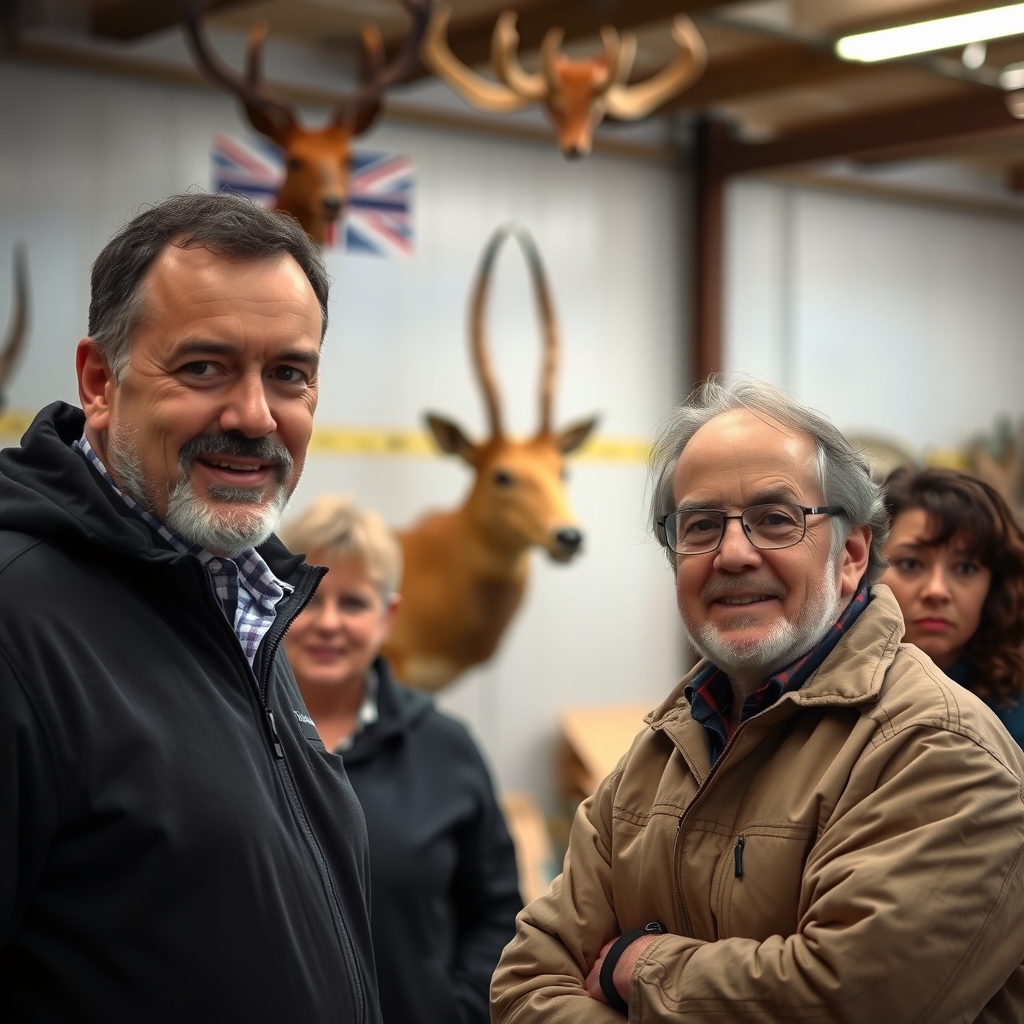
A museum-grade taxidermy mount is distinguished by anatomical precision, superior tanning techniques, and meticulous attention to facial sculpting that permanently captures a lifelike posture. Unlike basic commercial mounts, these high-end pieces utilize custom-sculpted mannikins, premium glass eyes with accurate pupil alignment, flexible ear liners, and hidden seams to recreate the living animal down to the subtle vascular detail.
Anatomical Accuracy and Sculptural Realism
Achieving competition-level realism requires an intimate knowledge of animal morphology. Master taxidermists modify stock polyurethane forms to reflect correct muscle tension, rib depth, and brisket width based on the specimen’s harvest season. Fine facial detailing—including hand-painted eye orbits, realistic nictitating membranes, tucked lips, and textured nose pads—separates average commercial work from elite pieces. Premium glass eyes feature species-specific veining and true-to-life iris depth, eliminating the hollow, artificial gaze common in lower-tier mounts.
Tanning Quality and Hair Retention Standards
The longevity of high-end taxidermy mounts relies entirely on commercial wet-tanning processes rather than home dry-preserve methods. Professional wet-tanning chemically locks the hair follicles, prevents shrinkage around the eyes and muzzle, and yields soft, pliable leather that bonds seamlessly to the form. According to preservation guidelines published by the Smithsonian Institution, stable moisture controls and proper chemical stabilization prevent long-term degradation, hair slippage, and hide cracking, allowing museum-quality pieces to endure for generations without structural failure.
How Do You Choose the Right Species for Your Space?
Choosing the right species requires matching the specimen’s scale, pose, and aesthetic feel to your ceiling height, room square footage, and interior design theme. Selecting high-quality taxidermy mounts involves evaluating whether your room best accommodates wall-hung specimens, floor-standing forms, or compact tabletop accents.
North American Big Game Mounts
Classic North American game mounts—such as Whitetail Deer, Elk, Moose, and Pronghorn—anchor traditional cabin, mountain modern, and timber-frame interiors. A native Whitetail shoulder mount offers a timeless focal point above a fireplace mantle, while larger species like Elk or Moose demand expansive wall space and robust mounting hardware capable of supporting 30 to 80 pounds of weight.
African Safari & Exotic Trophies
African and exotic species bring distinct warm tones, intricate horn structures, and bold hide patterns into luxury lodge settings. Specimens like Kudu, Oryx, Zebra, and Impala complement rich leather furnishings and dark wood finishes. Due to the dramatic height of spiral-horned antelopes, ceiling clearance must be evaluated prior to placement to prevent the horns from touching light fixtures or beams.
Spatial Planning: Shoulder vs. Full Life-Size Mounts
Proper spatial planning ensures your specimen enhances the room without overpowering it. Shoulder Mounts require minimal floor space and project roughly 24 to 36 inches out from the wall, making them ideal for living rooms and private dens. Pedestal Mounts and Life-Sized Pieces demand significant floor real estate and a 360-degree viewing radius, often requiring a minimum 10×10 foot area. For tighter quarters or modern accent tables, Oddities and Tabletop Pieces or Taxidermy Rugs provide high visual impact without compromising room circulation.
What Should You Inspect Before Buying Taxidermy Mounts?
To ensure you are acquiring a museum-quality piece, inspect the hide, anatomical structural details, and internal integrity before finalizing any purchase. Superior taxidermy mounts feature flawless hide preparation, invisible seam lines, and precision tucking around natural openings like the eyes, nostrils, and lips.
When evaluating potential acquisitions, follow this thorough physical inspection checklist:
- Pest Activity and Hide Integrity: Check closely around the ear bases, hair whorls, and underbelly for signs of carpet beetles or dermestid beetle larvae. Look for loose fur, webbing, or frass (fine pest debris). Ensure the skin is supple and free of drummed areas where the hide has pulled away from the underlying form during drying.
- Anatomical Precision and Tuck Work: Inspect the facial features. Museum-grade artists hollow out and properly tuck the skin around the nictitating membrane of the eye and inside the nostrils. Eyes should sit symmetrically with correct pupil alignment, avoiding excessive, visible epoxy or paint over-spray.
- Antler, Horn, and Armature Stability: Assess native antlers or horns for cracks, repairs, or artificial color touch-ups. Ensure the internal armature, whether solid urethane foam or wood blocks, is rigid and firmly attached to the hanging hardware.
- Odor Control and Mold Check: A properly cured mount has no foul decay odor. Smell the back of the hide and inner ear canals to confirm complete chemical tanning and absence of moisture or active mold.
What Are the Legal Requirements for Purchasing Taxidermy Mounts?
Purchasing taxidermy mounts requires strict adherence to federal, state, and international wildlife commercialization laws to ensure legal compliance and protect your investment. The trade in taxidermy is governed by rigid wildlife statutes designed to prevent illegal poaching and manage protected species transactions across state lines.
CITES Permits and Exotic Import Rules
International commerce in non-native wildlife is regulated by the Convention on International Trade in Endangered Species of Wild Fauna and Flora (https://cites.org). When acquiring African and exotic species listed under CITES Appendix I or II, buyers must secure clear provenance records and official permits. Appendix I specimens, such as leopards or rhinos, face stringent commercial restrictions and typically require pre-convention documentation or federal ESA (Endangered Species Act) permits. Always verify that import tags, re-export certificates, and transfer receipts match the microchip or physical tag numbers on the specimen before completing a transaction.
State-by-State Wildlife Game Laws
In the United States, federal acts such as the Migratory Bird Treaty Act broadly prohibit the commercial sale of native migratory birds, eagles, and certain marine mammals regardless of age. State wildlife agencies enforce independent regulations regarding the sale of game animals like black bears, white-tailed deer, and cougars. Many states require a bill of sale, state-issued tag numbers, or a official permit to legally transfer ownership of game shoulder mounts or life-sized pieces. Maintaining complete physical paper trails and provenance records safeguards collectors and estates from illegal trafficking liability.
How Much Do Quality Taxidermy Mounts Cost in 2026?
In 2026, the cost of commercial taxidermy mounts ranges from $300 for small tabletop game up to $15,000 or more for full-scale exotic exhibits, depending on species rarity, pose complexity, and artistry level. Acquiring museum-quality pieces requires understanding the structural baseline, prep work, and secondary market valuations that define current pricing models.
Market pricing generally breaks down across three distinct categories:
- Small Game & Oddities: Waterfowl, upland birds, and small mammals (such as foxes or raccoons) typically range from $300 to $900. Tabletop pieces and custom skull mounts sit at the lower end of this tier.
- Standard Shoulder Mounts: North American Game Mounts like White-tailed Deer, Elk, and Mule Deer fall between $850 and $3,200. Premium Pedestal Mounts with custom habitat bases command higher price points within this class.
- Grand Full-Body Exhibits: Life-Sized Pieces including North American Grizzly Bears, Bighorn Sheep, and large African and Exotic Species (such as Kudu or Lions) span from $4,500 to $18,000+.
Wholesale liquidation channels and secondary auction marketplaces often offer vintage or estate-cleared taxidermy mounts at 30% to 50% below original custom studio commission rates. However, investment potential and value retention remain tied to condition and historical provenance. Rare, legally documented pre-Act mounts and expertly executed trophies by world-champion artists retain significant equity, while poorly preserved specimens depreciate rapidly.
How Should You Care for and Maintain Your Taxidermy Mounts?
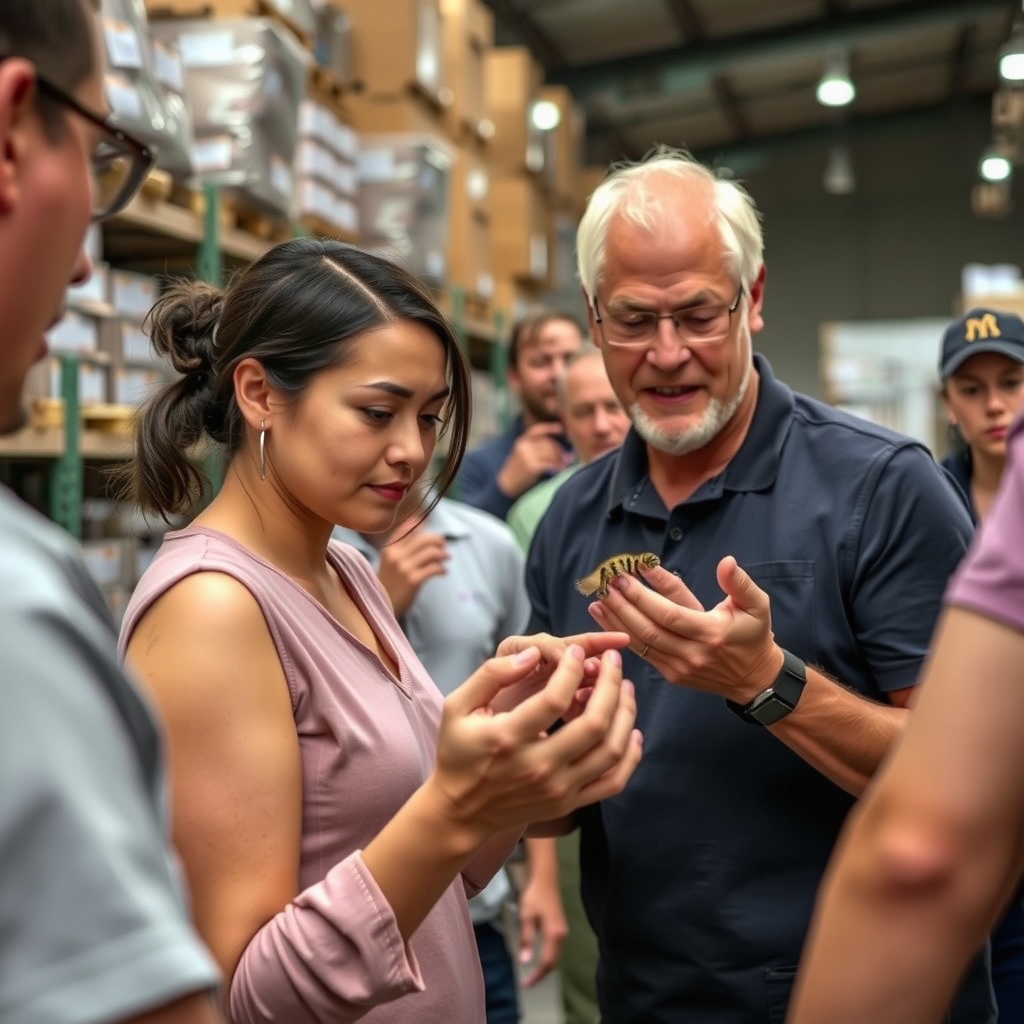
Maintaining museum-quality taxidermy mounts requires consistent climate management, non-abrasive cleaning, and routine pest inspection to prevent irreversible biological deterioration. Proper environmental control ensures that the hide, hair, and structural forms retain their lifelike posture for decades.
| Environmental Factor | Recommended Parameters | Risk of Non-Compliance |
|---|---|---|
| Relative Humidity | 40% – 50% (Constant) | Hide shrinkage, cracking, skin seam separation |
| Ambient Temperature | 65°F – 72°F | Accelerated degradation of oils and tanning agents |
| Lighting Exposure | Zero direct UV / Indirect LED only | Fading hair pigment, fur bleaching, leather brittleness |
Execute routine maintenance using precise, gentle techniques. Dust fur and feathers every four to six weeks using a soft compressed air canister or a low-suction vacuum fitted with a micro-attachment, blowing strictly with the grain of the hair. Clean antler beams and horn cores using a light application of mineral oil applied via micro-fiber cloth, avoiding contact with painted leather or skin margins. Apply specialized fur conditioners annually to prevent dermis dehydration, especially on Taxidermy Rugs exposed to floor traffic.
Pest control demands strict protocol. Inspect hide bases, ear canals, and nostril cavities quarterly for signs of dermestid beetles, clothes moths, or carpet beetle larvae. Use museum-approved, non-staining contact aerosols containing Pyrethrin for localized treatment, and isolate any compromised pieces immediately to protect the broader collection.
Where Can You Securely Buy or Sell Pre-Mounted Collections?
Securing high-caliber taxidermy mounts through direct purchase allows collectors and designers to bypass standard studio wait times of 8 to 18 months while guaranteeing exact visual quality before payment. For estates, private collectors, and liquidators, established warehouse buyers offer immediate valuation and turnkey acquisition of entire trophy rooms, eliminating auction commissions and private listing risks.
Acquiring pre-mounted specimens provides immediate access to fully cured, ready-to-hang pieces ranging from classic North American Game Mounts to rare African and Exotic Species. When acquiring pre-owned mounts or liquidating large private collections, security depends heavily on specialized logistics and documented provenance. Legitimate transactions require tailored freight protocols rather than standard parcel carriers to preserve delicate ear tips, feather integrity, and anatomical posture.
Whether acquiring individual Pedestal Mounts or liquidating comprehensive Life-Sized Pieces, professional buyers and seller services implement structured protocols to ensure safety and value:
- Immediate Commercial Availability: Purchasing pre-existing inventory eliminates studio backlog, allowing commercial buyers and interior designers to complete installations on tight project schedules.
- Professional Estate Liquidation: Outright asset purchasing offers fast, confidential buyouts for large taxidermy collections, preventing estate delays and avoiding consignment markups.
- Custom Wooden Crating: High-value specimens are secured within custom-built, internal-cleated wooden crates. Mounts are suspended via their structural backing plates to ensure zero contact between fine hair, feathers, or glass eyes and the crate walls.
- Insured Freight Logistics: White-glove, air-ride freight carriers manage climate-controlled transit, backed by full-value maritime or cargo insurance policies tailored specifically to natural history assets.
By leveraging established commercial supply chains, buyers secure museum-grade quality instantly, while sellers liquidate extensive holdings through a single, seamless transaction.
Frequently Asked Questions
Is it legal to buy and sell taxidermy mounts in the United States?
Yes, purchasing and selling taxidermy mounts is legal in the United States, provided the species is not protected under the Endangered Species Act or the Migratory Bird Treaty Act. State regulations vary significantly regarding native game species, so documentation such as CITES permits or state-issued harvest tags may be required. Always verify Federal and local fish and wildlife laws before completing any transaction.
How can you tell if taxidermy is truly museum quality?
Museum-quality taxidermy exhibits correct anatomical symmetry, precise tissue tucking around the eyes and lips, and seamless stitching with no visible thread or glue. The specimen will feature clean fur or plumage without signs of pest damage, freezer burn, or artificial color fading. High-grade pieces also utilize premium, lifelike glass eyes and professionally sculpted forms that accurately reflect a natural, dynamic posture.
How long do professional taxidermy mounts last?
When properly crafted using modern tanning techniques and high-density forms, professional taxidermy mounts can easily last a lifetime—often 50 to 100 years or more. Longevity largely depends on environmental control and routine maintenance. Keeping mounts in climate-controlled spaces away from direct sunlight, moisture, and pests ensures they remain in pristine condition for generations.
How do you safely ship and transport large taxidermy mounts?
Transporting large pieces like full Life-Sized Pieces or heavy Shoulder Mounts requires custom wooden crating where the mount is bolted securely to the internal frame by its mounting hardware. The hair, feathers, and delicate extremities must be protected with breathable wrapping to prevent crushed guard hairs or broken ears. High-value or oversized specimens should always be handled by specialized freight carriers experienced in wildlife art transport.
Can you sell an inherited taxidermy trophy collection?
Yes, individuals and estates can sell inherited taxidermy collections, provided the specimens meet federal and state wildlife trade guidelines. Estate liquidators and private buyers frequently purchase entire multi-specimen collections, from North American Game Mounts to African and Exotic Species. Working with an established buyer ensures correct legal valuation and a fast, seamless transaction.
How do you protect taxidermy mounts from pests and fading?
Protect your investment by displaying mounts away from direct sunlight and artificial UV light sources, which cause hair to bleach and dry out. Inspect mounts regularly for signs of dermestid beetles or moths, and maintain stable indoor humidity levels between 40% and 50%. Professional taxidermy insect repellents and periodic gentle dusting with a soft-bristle brush will preserve the mount’s natural lustre.
Conclusion
Acquiring museum-grade taxidermy requires an eye for anatomical accuracy, an understanding of legal compliance, and a commitment to proper preservation. Whether you are an interior designer sourcing dynamic Pedestal Mounts, a collector expanding a wild game room, or an estate executor looking to liquidate a collection quickly, sourcing high-grade specimens ensures lasting value. Explore our extensive, nationwide inventory at Taxidermy Warehouse to buy authentic, expertly preserved pieces or to get a fast, competitive offer on your pre-owned collections today.
4 Responses